Back
The budgeting questions Kiwis want answered: Tammy Barton on The Prosperity Project
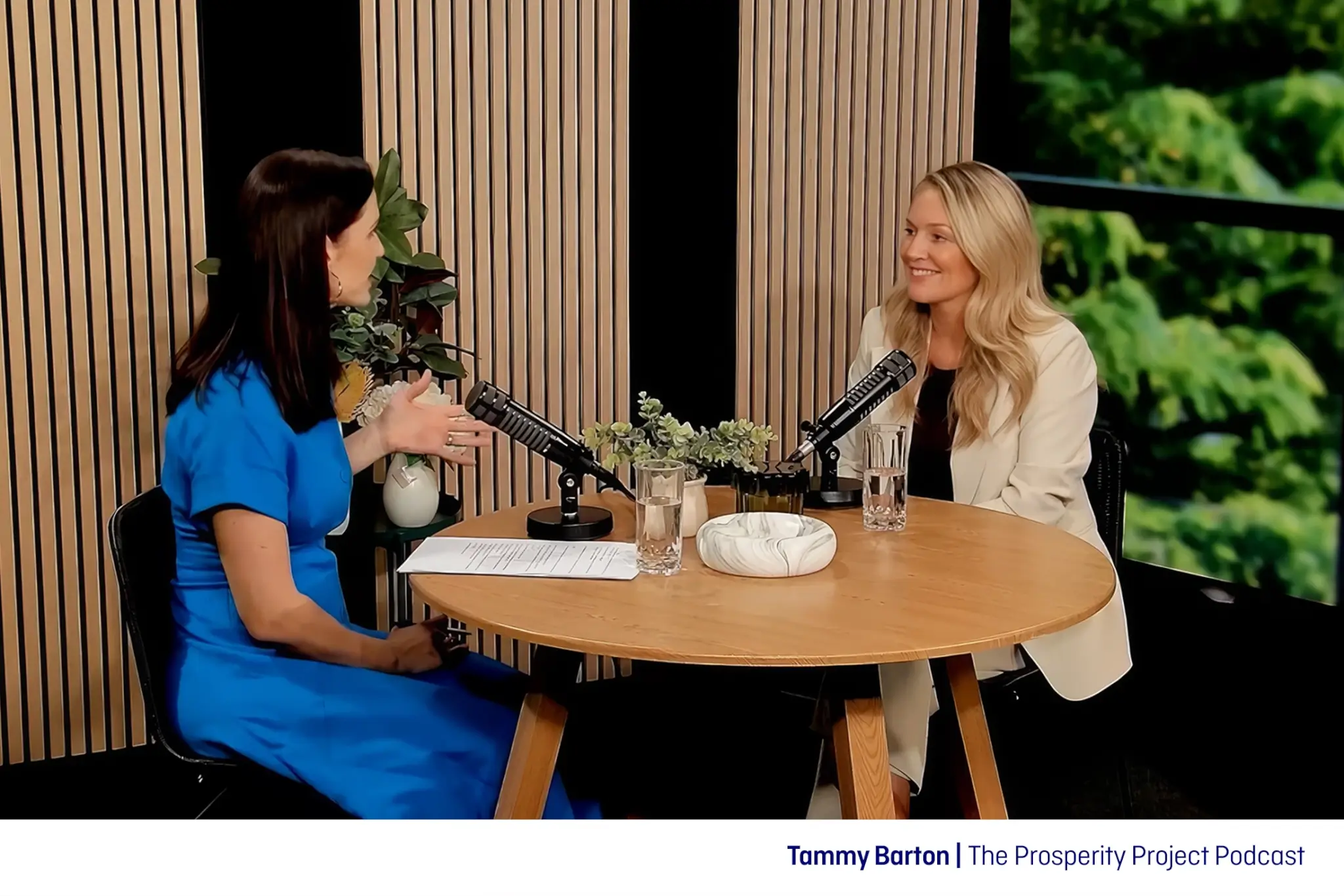
In this MyBudget New Zealand interview, MyBudget Founder and Director Tammy Barton joined financial journalist Nadine Higgins on The Prosperity Project to answer a question many New Zealanders may never have considered: would you hand over your pay to someone else to manage?
The conversation goes well beyond the arrival of MyBudget in New Zealand. Nadine asks the practical questions consumers want answered: what happens to your income, who controls the money, how the trust account works, what the service costs, whether clients become more confident managing money and why MyBudget waited 26 years to cross the Tasman.
📺 Prefer to watch? The full Tammy Barton podcast interview on YouTube.
What happens when MyBudget manages your pay?
Tammy explains that a client’s income is paid into a MyBudget trust account held with New Zealand’s ASB Bank. An agreed amount for groceries, petrol and everyday spending is transferred to the client’s personal bank account. The remaining money is allocated to bills, debt repayments, future expenses and savings in line with the client’s personalised budget.
Handing over the financial admin does not mean handing over control of your money.
It’s 100% technically and legally your money.
Clients remain in the driver’s seat. They can request additional funds or changes to their budget, and if spending more in one area affects a savings goal or upcoming expense, a caring Money Coach explains the trade-off so the client can decide what is right for them.
For Kiwis considering managed budgeting in New Zealand, the key point is simple: outsourcing the administration does not mean giving up ownership or decision-making.
The MyBudget app also shows the money allocated to bills and savings, along with the amount available to spend. This forward view is designed to help clients understand what today’s decisions could mean for the months ahead.
As Tammy explains, managing money is not only about numbers. It affects the choices available to you, the goals you can pursue and the amount of mental space money takes up in everyday life.
Learn more about how MyBudget works and how the MyBudget budgeting app provides ongoing visibility.
Does outsourcing your budget mean giving up control?
On The Prosperity Project podcast, Nadine raises a direct concern: if someone else pays the bills, does that help a client build financial capability, or simply remove the responsibility?
Tammy describes the service as a partnership. Clients set the direction and make the decisions, while caring Money Coaches and MyBudget’s technology do the day-to-day heavy lifting of organising bills, repayments and savings. A Money Coach can show what is affordable, model the effect of different choices and help prioritise competing goals, but the final decision remains with the client.
We don’t make the decisions for our clients. We give our clients the options.
Some clients eventually choose to manage their finances independently after paying off debt or establishing new routines. Others continue using the service because they value the structure, visibility, caring support and reduced mental load.
For more on the foundations behind this approach, read Personal budgeting 101.
What did Tammy say about MyBudget’s fees?
Fees are another key part of the discussion. At the time of recording, Tammy said the ongoing fee was generally between $40 and $60 a week, depending on the complexity of the client’s budget. There is also a tailored establishment fee, which is shown before the client decides whether to proceed and spread across their initial 12-month budget. Tammy also explained that there is no long-term lock-in contract and clients can leave with 28 days’ notice, although any unpaid establishment fee remains payable.
Because every financial situation is different, the first step is a free 10-minute chat. This gives a MyBudget Money Coach time to understand what is weighing on you, what you would like to achieve and whether the service may be an appropriate and affordable fit. MyBudget will not proceed if the service is unaffordable and, where appropriate, can refer them to free financial counselling.
For a complete explanation of how fees are calculated and what the service includes, read our guide to MyBudget’s costs.
How does the trust account work?
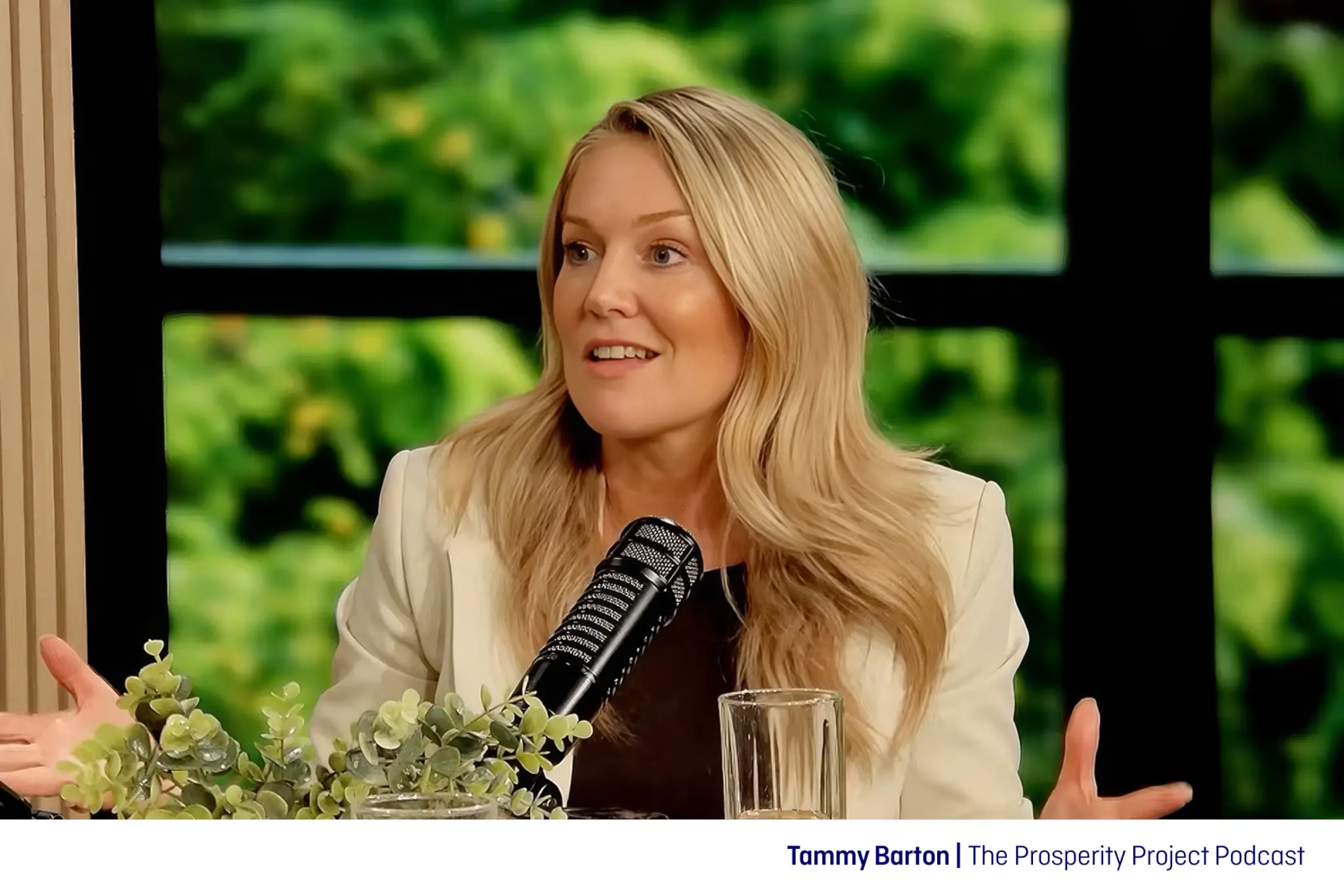
Nadine also asks detailed questions about security and interest. Tammy says client funds are held in trust with ASB Bank, remain legally the clients’ money and are reconciled to every dollar each day. MyBudget New Zealand is a licensed Financial Advice Provider, with its advice limited to personal budgeting.
Tammy explains that interest earned on pooled trust-account funds is used to offset the banking costs of operating the account. When clients build larger savings balances, MyBudget generally encourages them to move that money to a dedicated savings account with their chosen bank. MyBudget does not provide investment, KiwiSaver or insurance advice.
In simple terms, the money remains the client’s. MyBudget’s role is to manage the agreed plan, provide visibility and support, and help make sure money is ready for bills, repayments and goals when it is needed.
Why did MyBudget take 26 years to launch in New Zealand?
The MyBudget NZ launch came 26 years after Tammy founded MyBudget in Adelaide in 1999. She says she had wanted to expand into New Zealand much earlier, but chose to rebuild MyBudget’s platform rather than bring a legacy system into a new market.
That rebuild took six years. New Zealand clients are the first to use the new cloud-based platform MyBudget calls its “Money Operating System”, ahead of the planned migration of Australian clients. For clients, the purpose of the technology is practical: clearer visibility, easier access and a better view of how today’s decisions may affect the months ahead.
For MyBudget Founder and Director Tammy Barton, the opportunity in New Zealand is ultimately the same one that inspired her to start the business: helping people reduce money stress, create more choices and live with greater confidence.
If you can take that stress away from someone, you can literally change someone’s life.
For Kiwis, the episode offers a candid look at managed budgeting and answers the questions many people may want to ask before deciding whether the service is right for them.
Key podcast takeaways
- MyBudget combines caring Money Coaches and smart technology to do the day-to-day heavy lifting while clients remain in control
- Income is organised across everyday spending, bills, future expenses, debt repayments and savings
- A forward-looking budget helps clients understand what today’s choices could mean for their future bills, savings and goals
- Fees depend on budget complexity and are explained before a client decides whether to proceed
- Client money is held in trust with ASB Bank and, according to Tammy, reconciled daily
- MyBudget’s New Zealand advice is limited to personal budgeting, not investments, KiwiSaver or insurance
- New Zealand clients were the first to use MyBudget’s rebuilt technology platform.
Ready to see what is possible with your money?
If budgeting apps and spreadsheets show where your money went but do not help you stay on track, you may need more than another tool. MyBudget combines a personalised plan, caring human support and technology that helps do the heavy lifting, giving you greater visibility and structure around your money.
Start with a free 10-minute chat so a MyBudget Money Coach can understand your financial situation, what is weighing on you and what you would like to achieve. They can explain the next steps and help determine whether MyBudget may be the right fit.
The Prosperity Project Podcast FAQs
Can’t find what you’re looking for?
See more FAQs…
On The Prosperity Project podcast, Tammy Barton discussed how managed budgeting works in practice, including who controls the money, how client funds are held, what support Money Coaches provide and whether clients build financial confidence. Nadine Higgins also asked why MyBudget took 26 years to launch in New Zealand and why New Zealand clients are the first to use its rebuilt technology platform.
The MyBudget NZ launch took 26 years because Tammy chose to rebuild the company’s technology platform before entering a new market. During her conversation with Nadine Higgins, she explained that the rebuild took six years, which was longer than expected. New Zealand clients became the first to use the cloud-based platform MyBudget calls its “money operating system”, with Australian clients expected to move to it later.
Yes. Tammy explained that clients retain control of their money and make the final decisions about spending, savings and financial goals. Caring Money Coaches can show what is affordable and explain how one choice may affect future bills or savings, but they do not make the decision for the client. This was one of Nadine Higgins’ key questions about managed budgeting in New Zealand.
Managed budgeting can help clients build confidence by giving them greater visibility over upcoming bills, spending choices and savings goals. Tammy said some clients later choose to manage their finances independently, while others continue using MyBudget for its structure, caring support and reduced mental load. In this New Zealand personal finance podcast episode, managed budgeting is presented as a partnership that supports informed choices rather than removing personal control.
This article has been prepared for information purposes only, and does not constitute personal financial advice. The information has been prepared without taking into account your personal objectives, financial situation or needs. Before acting on any information in this article you should consider the appropriateness of the information having regard to your objectives, financial situation and needs.