Back
How to take control of debt: practical debt management strategies
Debt management is about finding practical ways to stay on top of your repayments, reduce financial stress and regain control of your money. Whether you’re dealing with credit cards, Buy Now Pay Later, personal debt or overdue bills, the right strategy can help you make steady progress without relying on more borrowing.

This guide explains practical debt management strategies for New Zealand households, including budgeting, prioritising repayments, communicating with creditors and avoiding common mistakes.
What is debt management?
Debt management is the process of organising your finances so you can repay what you owe in a realistic and sustainable way. It involves understanding your financial situation, creating a budget, prioritising repayments and making informed decisions about your spending.
Good debt management isn’t about finding a quick fix. It’s about having a plan that helps you stay on top of your commitments while still covering your everyday living expenses and working towards your financial goals.
Why managing debt early matters
The earlier you take action, the easier debt is usually to manage.
When repayments are missed, interest charges, late fees and collection activity can quickly make a difficult situation feel even more stressful. As debt grows, it becomes harder to catch up and can affect your ability to achieve other financial goals, such as building savings or buying a home.
Taking action early gives you more options. It allows you to review your budget, speak with creditors if you’re struggling and make changes before debt becomes unmanageable.
Remember, asking for help isn’t a sign you’ve failed. It’s often the first step towards getting back in control.
Understanding the two main types of debt
Not all debt works the same way. Understanding the different types can help you decide which repayments should take priority.
Secured debt
Secured debt is backed by an asset, known as collateral. If repayments aren’t made, the lender may have the right to recover the asset to repay the debt.
Common examples include:
- Home loans
- Vehicle loans secured against your car.
Because the lender has some security, these debts often have lower interest rates than unsecured debt.
Unsecured debt
Unsecured debt isn’t tied to an asset. Instead, the lender relies on your agreement to repay the money you’ve borrowed.
Examples include:
- Credit cards
- Buy Now Pay Later accounts
- Personal loans
- Overdue household bills.
These debts often carry higher interest rates, making them more expensive if they’re left unpaid.
Assess your current financial situation
Before you can create a plan, you need a clear picture of where you stand financially.
Start by making a list of every debt you currently have. Include the balance owing, minimum repayment, interest rate and payment due date for each account.
Next, review your monthly income and compare it with your regular expenses, including:
- Housing costs
- Utilities
- Groceries
- Transport
- Insurance
- Childcare
- Subscriptions
- Other regular bills.
Once you’ve identified where your money is going each month, you’ll be in a much better position to decide how much you can realistically put towards reducing your debt.
This exercise often highlights areas where small spending changes can free up money for repayments without dramatically affecting your lifestyle.
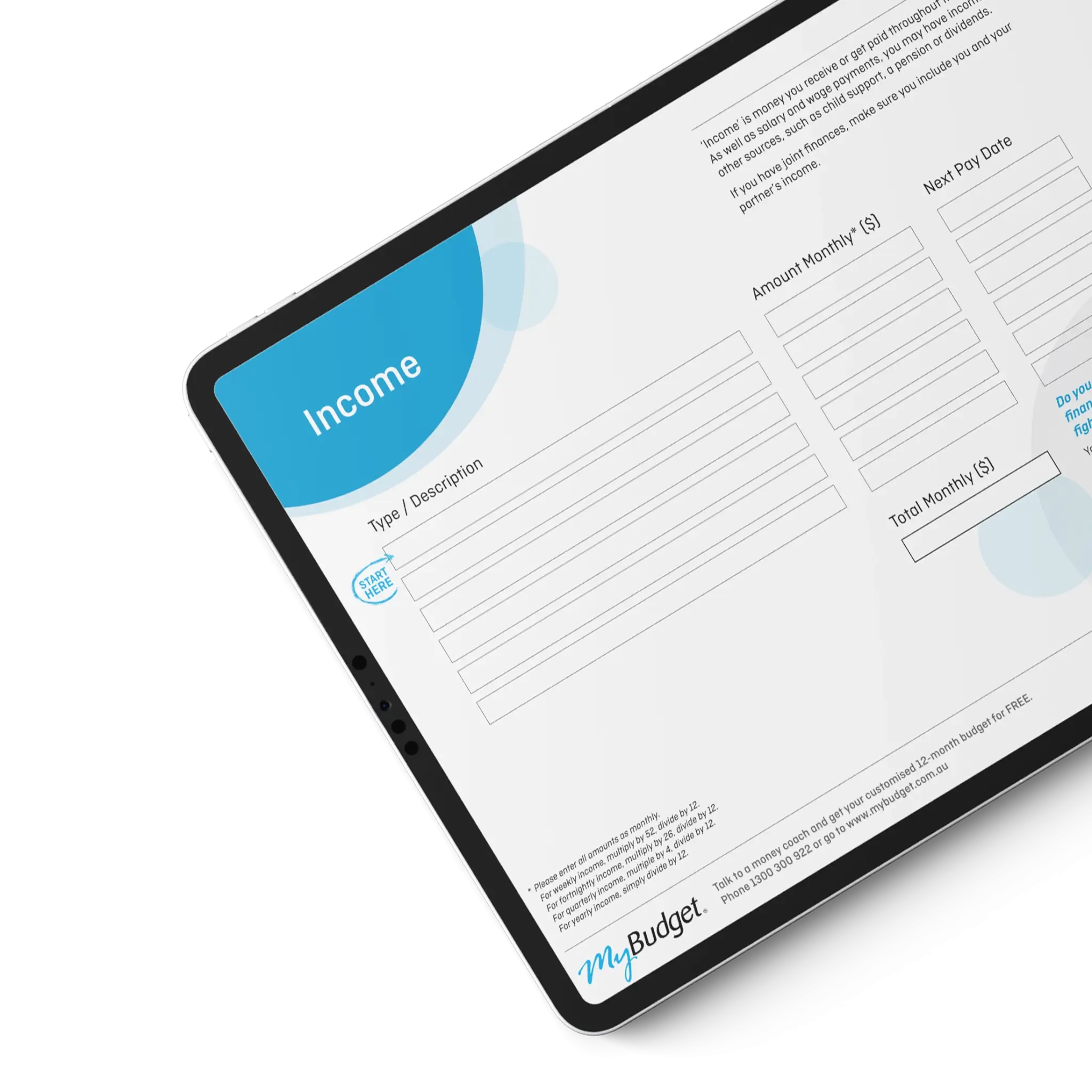
| Need help getting started? Download our Personal Budget Template to organise your income, expenses and repayments in one place. |
Create a budget that supports debt reduction
A budget is one of the most effective debt management tools because it helps you plan your money before you spend it.
Instead of hoping there’s enough left over to make repayments each month, a budget allows you to allocate money towards your essential expenses, debt repayments and savings from the beginning.
When creating your budget:
- List all sources of income.
- Record every regular expense.
- Prioritise essential household costs.
- Schedule debt repayments alongside your bills.
- Review your spending regularly.
- Build a small emergency buffer where possible.
A budget isn’t about restricting everything you enjoy. It’s about making sure your money is working towards the things that matter most.
Create a debt management plan
A debt management plan is a structured approach to paying off your debt while still meeting your everyday living expenses. It brings together your income, household bills and repayments into one realistic plan, so you know exactly what you can afford each month.
A good debt management plan should:
- List every debt you owe, including balances and repayment dates
- Prioritise your repayments based on your financial situation
- Include all essential household expenses
- Set realistic repayment goals you can maintain
- Be reviewed regularly as your circumstances change.
The most effective debt management plans aren’t about making the biggest repayments possible. They’re about creating a plan you can stick to over the long term. Even small, consistent repayments can make a significant difference over time.
If you’re feeling overwhelmed, getting support to create a personalised budget can help simplify the process and give you a clear path forward.
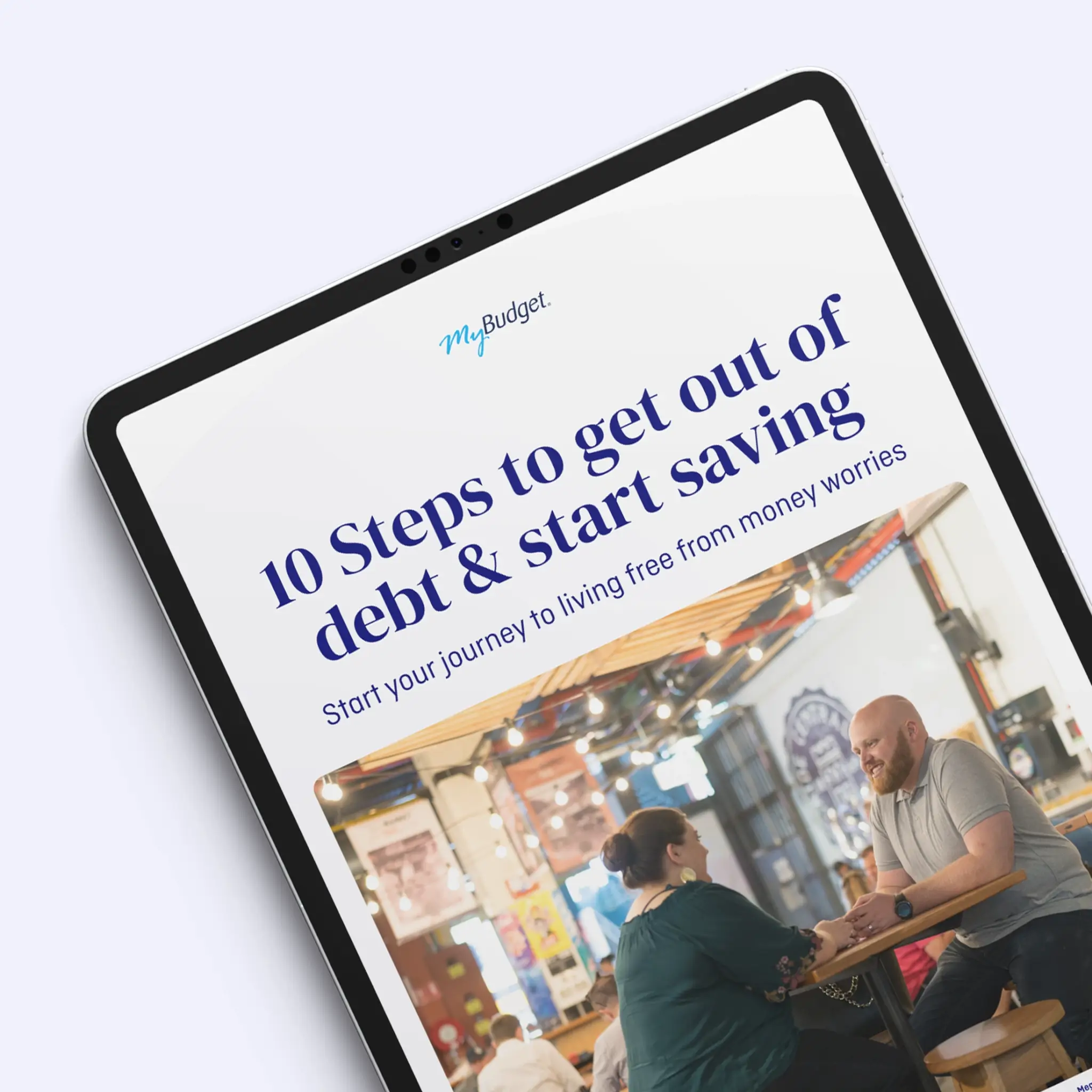
| If you’re ready to create a practical action plan, our free 10 Steps to Get Out of Debt eBook walks through simple strategies to help you reduce debt and stay on track. |
The best debt management strategies
There’s no single “best” debt repayment strategy. The right approach depends on your financial situation, your personality and what will keep you motivated over the long term.
| Strategy | Best for | Biggest benefit |
| Snowball | Motivation | Quick wins |
| Avalanche | Saving interest | Pays less interest overall |
| Feel Good | Reducing stress | Removes emotionally difficult debts |
Debt Snowball Method
The Debt Snowball Method focuses on paying off your smallest debt first while continuing to make minimum repayments on all your other debts.
Each time you clear a balance, you roll that repayment into your next smallest debt.
Many people like this strategy because the early wins build confidence and help maintain motivation.
Debt Avalanche Method
The Debt Avalanche Method focuses on paying off the debt with the highest interest rate first.
Although it may take longer before you completely pay off your first debt, this approach usually saves the most money over time because you’re reducing the amount of interest you pay.
If your priority is paying off debt as efficiently as possible, the Avalanche Method may be worth considering.
The Feel Good Method
Sometimes the most stressful debt isn’t the one costing the most.
The Feel Good Method encourages you to tackle the debt that’s causing the greatest emotional pressure first. That might be money borrowed from family, an overdue account or a debt that’s creating constant anxiety.
Reducing financial stress can make it much easier to stay committed to your overall debt repayment plan.
Choose the strategy you’ll stick with
The best debt management strategy is ultimately the one you can maintain consistently.
Whether you choose the Snowball, Avalanche or Feel Good approach, making regular repayments and sticking to your budget will have a much bigger impact than chasing the “perfect” strategy.
Prioritise your debt repayments
When you’re managing multiple debts, it’s easy to feel unsure about which one to tackle first. The answer depends on your financial situation, but having a clear plan is far better than trying to make repayments without a strategy.
As a general guide, prioritise:
- High-interest debts, such as credit cards.
- Overdue accounts that may attract late fees or collection activity.
- Essential repayments that protect your home, vehicle or access to important services.
- Any debts that are causing significant financial or emotional stress.
Whatever approach you choose, continue making at least the minimum repayment on your other debts whenever possible. Missing payments can lead to additional fees, interest and unnecessary stress.
Remember, debt management isn’t about paying everything off overnight. It’s about making steady progress while keeping your finances manageable.

Focus on high-interest debt where you can
High-interest debt can become expensive surprisingly quickly.
Credit cards are one of the most common examples because interest is often charged on any unpaid balance each month. Simply making the minimum repayment can mean it takes years to clear the debt while paying significantly more in interest.
If your budget allows, consider:
- Paying more than the minimum repayment
- Putting unexpected income, such as a tax refund or work bonus, towards your highest-interest debt
- Redirecting money you’ve saved from cancelled subscriptions or reduced spending into your repayments
Even small additional repayments can shorten the life of your debt and reduce the total amount you pay.
Talk to your creditors early
If you’re struggling to meet your repayments, don’t ignore the problem.
Many creditors understand that financial circumstances can change and may be willing to discuss temporary repayment arrangements or alternative payment options.
The earlier you make contact, the more options you’re likely to have.
Before speaking with a creditor:
- Understand your current budget
- Know what repayments you can realistically afford
- Be honest about your financial situation
- Keep a record of any agreements you make.
Having these conversations early can reduce stress and help prevent your debt from becoming more difficult to manage.
What to do if you're struggling with debt
If your debt feels overwhelming, remember that you don’t have to solve everything at once.
Start with the basics.
Review your budget
A clear budget helps you understand exactly where your money is going and identify opportunities to free up cash for repayments.
Prioritise essential expenses
Housing, utilities, groceries and transport should generally come before discretionary spending.
Speak with your creditors
If you’re finding repayments difficult, contact your creditors before missing multiple payments.
Find the right debt support for you
If you’re finding it difficult to keep up with repayments, remember that help is available. Taking action early can reduce financial stress, prevent your debt from growing and give you more options.
Here are some places you can turn for support in New Zealand.
MoneyTalks
If you need free financial guidance, MoneyTalks is a great place to start. Their helpline connects you with qualified financial mentors who can help you understand your options, create a realistic plan and, where appropriate, work with your creditors.
Freephone:0800 345 123
Text: 4029
Website:https://www.moneytalks.co.nz
Work and Income New Zealand (WINZ)
If you’re experiencing financial hardship, Work and Income may be able to provide assistance depending on your circumstances. This may include help with essential living costs or referrals to additional support services.
Freephone: 0800 559 009
Website:https://www.workandincome.govt.nz
1737 Need to Talk?
Money worries don’t just affect your bank balance, they can also affect your mental health. If financial stress is becoming overwhelming, 1737 Need to Talk? offers free, confidential support from trained counsellors at any time of the day or night.
Call or text: 1737
Website:https://1737.org.nz
Looking for ongoing budgeting support?
If you’d prefer someone to help you stay on top of your finances every payday, MyBudget offers a personalised budgeting service designed to take the stress out of managing your money.
Unlike financial mentoring services that provide guidance and education, MyBudget works with you to create a personalised budget, manage your household bills and repayments, and help you stay on track towards your financial goals. We can also work with your creditors on your behalf where appropriate, helping simplify the process and reduce some of the pressure.
If you’re ready for ongoing, hands-on support, enquire online or call 09 849 6285 for your free, no-obligation budgeting appointment to see how MyBudget could help.

Stay motivated during your debt repayment journey
Paying off debt takes time, so it’s important to recognise your progress along the way.
Some simple ways to stay motivated include:
- Setting realistic repayment goals
- Tracking your progress every month
- Reviewing how much debt you’ve already reduced
- Celebrating milestones with inexpensive rewards
- Keeping your long-term financial goals front of mind.
Progress isn’t always fast, but every repayment moves you closer to financial freedom.
| Staying motivated is easier when you have something positive to work towards. Our free Financial Goals Template can help you set meaningful goals and track your progress as you reduce your debt. |
Find an accountability partner
Managing debt can sometimes feel isolating.
Having someone to check in with can help you stay focused and motivated, particularly when progress feels slow.
An accountability partner could be:
- Your partner.
- A trusted family member.
- A close friend.
- A budgeting coach or financial mentor.
They don’t need to manage your finances for you. Sometimes simply having someone encourage you, celebrate your wins and remind you why you started can make a significant difference.
Celebrate your progress
Becoming debt free doesn’t happen overnight.
Every debt you pay off, every month you stick to your budget and every financial goal you achieve is worth recognising.
Celebrating your progress doesn’t have to cost money. It could be:
- Enjoying a family picnic.
- Watching your favourite movie at home.
- Spending time with friends.
- Crossing another milestone off your debt tracker.
Recognising your achievements helps maintain motivation and reminds you that your hard work is paying off.
Key takeaway
Debt management isn’t about finding a quick fix. It’s about creating a realistic plan that works for your financial situation and sticking with it.
By understanding your finances, creating a budget, prioritising repayments and taking action early when challenges arise, you can reduce financial stress and steadily work towards a stronger financial future.
Ready to take control of your finances?
You don’t have to manage debt on your own. For more than 25 years, MyBudget has helped over 130,000 people reduce financial stress and take control of their finances through personalised budgeting support. We’ll work with you to create a budget that’s tailored to your income, expenses and financial goals, helping you stay on top of your repayments and plan confidently for the future.
Or call us on 09 8496 285 for your free, no-obligation budgeting appointment.
Dent management FAQs
Can’t find what you’re looking for? See more FAQs…
The best debt management strategy is the one you can stick with consistently. For many people, this means creating a realistic budget, prioritising repayments and choosing a repayment method, such as the Debt Snowball or Debt Avalanche, that suits their financial situation. Small, regular repayments are often more effective than trying to make large payments you can’t maintain.
MyBudget creates a personalised debt management plan based on your income, bills, living expenses and repayments. We work with you to develop a realistic budget that helps you stay on top of your commitments while working towards your financial goals. We can also communicate with your creditors on your behalf where appropriate, helping simplify the process and reduce financial stress.
If you’re struggling to make repayments, contact your creditors as soon as possible to discuss your options. Many creditors can offer temporary repayment arrangements or hardship support. At the same time, review your budget to identify where you may be able to reduce spending and seek free financial mentoring if you need additional support.
Yes. Budgeting is one of the most effective ways to manage debt because it helps you understand where your money is going, prioritise repayments and reduce unnecessary spending. A realistic budget makes it easier to stay on top of your bills, avoid relying on additional credit and steadily work towards becoming debt free.
This article has been prepared for information purposes only, and does not constitute personal financial advice. The information has been prepared without taking into account your personal objectives, financial situation or needs. Before acting on any information in this article you should consider the appropriateness of the information having regard to your objectives, financial situation and needs.