

Back
How do I stop spending money?

If you’re wondering how to stop spending money, the quickest way is to make your spending more intentional. Simple changes like waiting 24 hours before buying something, setting a weekly spending limit, and creating a realistic budget can reduce impulse spending and help you take back control of your finances.
If you’re struggling to stop overspending, the issue usually isn’t discipline. It’s often a lack of visibility, structure, or a plan that makes everyday spending easier to manage.
The good news is, this is something you can change. You do not need to cut out everything you enjoy or feel guilty every time you use your card. What helps is having a simple plan, a clearer view of where your money is going, and a system that makes it easier to stay on track.
What does it mean to stop overspending?
Stopping overspending doesn’t mean never buying things you enjoy. It means spending intentionally, making sure your essential bills are covered first, and only spending what’s left on discretionary purchases.
Why can’t I stop spending money, even when I try?
If you can’t stop spending money even when you try, it’s usually not about willpower. It’s because your spending is being driven by habits, emotions, and a plan that might be hard to stick to.
Most people overspend when decisions are made in the moment. A takeaway meal here, a quick online shopping purchase there, subscriptions, or a few unplanned extras across the week can quietly add up and impact your savings goals. This can also lead to relying on credit cards and building up debt without realising how quickly it’s happening.
Research into behavioural economics shows that people rarely overspend because they are “bad with money”. More often, spending is influenced by habits, convenience, and emotions. Retailers design experiences to encourage faster decisions, from one-click payments to limited-time offers and personalised recommendations.
Creating small pauses before you spend helps interrupt these automatic habits and gives you time to decide whether a purchase fits your priorities.
After helping more than 130,000 clients build personalised budgets, one pattern appears again and again. People rarely overspend because they don’t care about money. They overspend because their financial system makes it difficult to see what is actually available to spend.
What are the fastest ways to stop spending money today?
If you want to reduce spending quickly, focus on simple actions that slow spending down and make it more visible.
- Wait 24 hours before non essential purchases
- Remove saved cards from apps
- Set a weekly spending limit
- Track every dollar for 7 days
- Separate bill money into another account
- Unsubscribe from sale emails
- Try a short no spend reset.
These steps help because they interrupt automatic spending. They create a pause between the urge to buy and the purchase itself, which gives you more control in the moment.
You do not need to do everything at once. Even a few small changes can help you feel more in charge of your money this week.
How do I stop impulse spending for good?
To stop impulse spending for good, you need to identify your triggers and put simple rules in place that slow decisions down and break the habit.
If impulse spending keeps happening, it helps to look at what is driving it. Often, it comes back to emotional needs, psychological triggers, or even marketing emails and social media creating urgency.
You might shop when you are stressed, tired, bored, or feeling flat. This is often a form of retail therapy, driven by emotional drivers rather than real needs. You might spend when you want a reward, when something feels urgent, or when buying something gives you a quick emotional lift.
The long term goal is not just to spend less. It is to understand your pattern and replace it with something more helpful.
That could mean:
- Keeping a list of free alternatives when you are bored
- Avoiding online shopping at night
- Putting items in a cart, then going back the next day
- Setting personal rules around unplanned spending
- Making it harder to buy things quickly.
The simpler your rules are, the easier they are to follow. Clear boundaries tend to work better than vague promises to get better with your spending habits.
How can I control my spending without feeling restricted?
You can control your spending without feeling restricted by setting clear limits for essentials and a defined amount for everyday spending.
One of the biggest misconceptions is that you need to cut out every enjoyable expense to get back on track. The truth is, you don’t. You need structure and visibility.
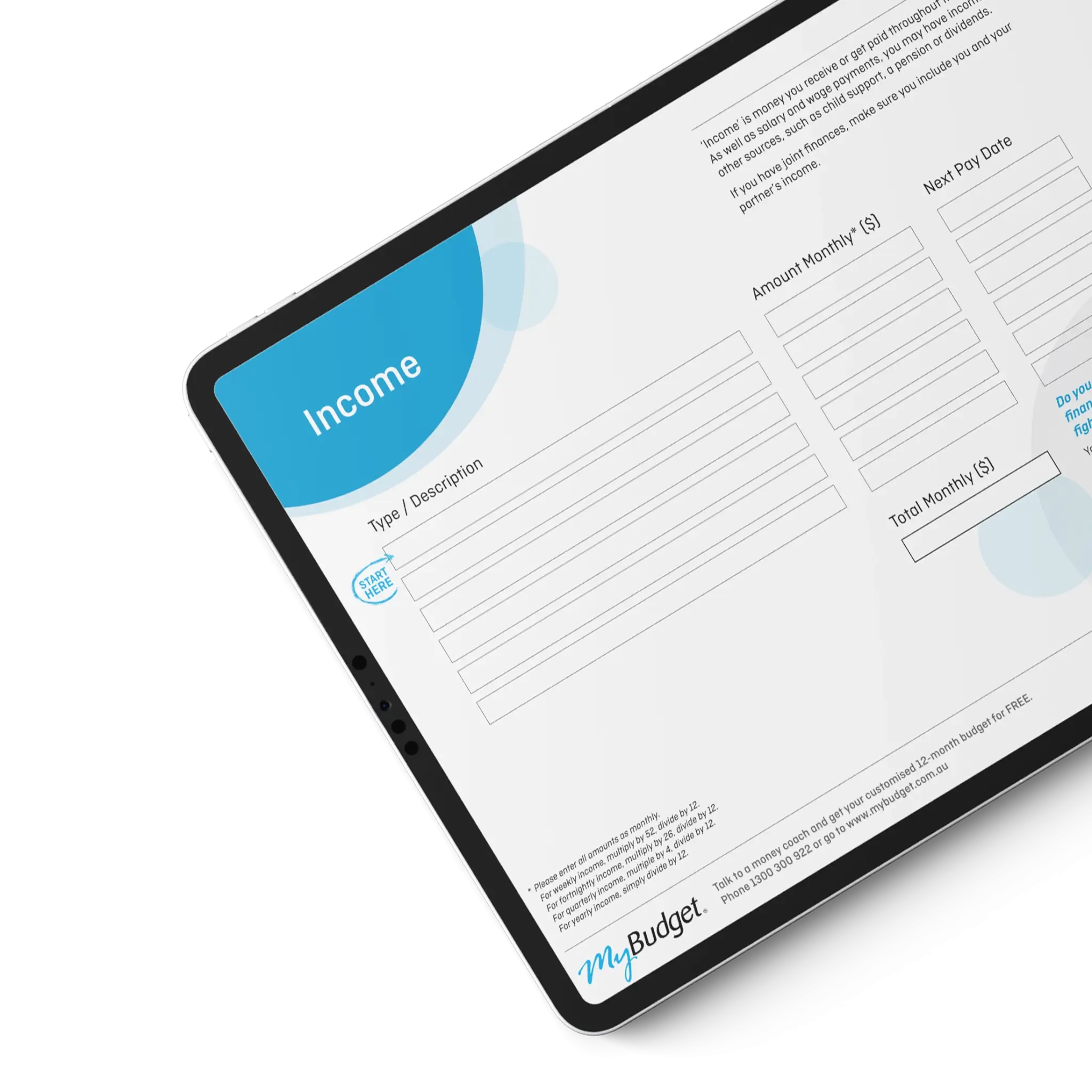
Starting a personal budgetshows you exactly what you can spend and where to adjust. Budgeting is not about restriction, it is about having a clear plan. A budget helps you separate needs from wants, so your essentials are covered before discretionary spending. When your bills and goals are covered first, you can spend the rest with confidence, not guilt.
What daily habits stop overspending?
Long term change comes from simple habits you can repeat consistently. Focus on behaviours that slow decisions down and reduce impulse purchases.
A good place to start is regular check-ins. Reviewing your spending daily or weekly helps you spot patterns early and stay on track.
Helpful habits include:
- Reviewing your bank statements and transactions regularly
- Pausing before non essential purchases
- Removing saved card details from shopping sites
- Unsubscribing from sale emails and shopping alerts
- Planning ahead for bills, groceries, and weekly expenses using a shopping list
- Paying attention to emotional or impulse spending triggers.
These habits work because they create a pause between the urge to buy and the decision itself. Over time, that makes it easier to stay in control and avoid spending driven by stress, boredom, or convenience.
How does budgeting actually stop you from overspending?
Budgeting stops overspending by giving your money structure. Instead of guessing what you can afford, you can see your income, expenses, and what is left for everyday discretionary spending.
Overspending often happens when everything comes from the same pool of money. When bills, groceries, savings, and personal spending are mixed together, it is easy to lose track.
A budget helps by:
- Separating essentials from non essential spending
- Setting clear limits for what you can afford
- Protecting money for bills, groceries, savings, an emergency fund, and unexpected expenses first
- Reducing the need to rely on willpower in the moment
- Making your spending align with your priorities.
Most importantly, it helps you move from reactive spending to intentional spending decisions.
Which habits help short term vs long term?
| Habit | Helps short term | Helps long term |
|---|---|---|
| 24-hour rule | ✓ | ✓ |
| Delete saved cards | ✓ | ✓ |
| Weekly spending limit | ✓ | ✓ |
| Budget | ✓ | ✓✓ |
| Track spending | ✓ | ✓✓ |
| No-spend challenge | ✓ | Sometimes |
How do you know if you're overspending?
You may be overspending if:
- Your account balance regularly surprises you
- You rely on credit cards before payday
- Your savings never seem to grow
- You avoid checking your bank account
- Small purchases add up faster than expected
- Bills feel stressful each month.
Recognising these signs early can help you take action before overspending turns into long term financial stress.
Key takeaway
Most people don’t stop overspending through willpower alone. They stop by creating simple systems that make good money decisions easier. A realistic budget, clear spending limits, and small daily habits can help you spend with confidence instead of reacting in the moment.
You don’t have to figure this out on your own
If spending has been causing stress, guilt, or a constant feeling of falling behind, it is okay to ask for help. You do not need to have it all figured out before you take the next step.
With the right support, a clear plan, and a system that works for your life, it is possible to stop overspending and feel more confident with money.
or call us today on 09 849 6285 to book your free personal budgeting appointment with one of our expert Money Coaches.

FAQs on how to stop spending money
Can’t find what you’re looking for?
See more FAQs…
People often spend money they do not have because of habit, emotional triggers, low visibility over their finances, or easy access to credit and online shopping. It is usually a behaviour pattern, not just a willpower issue.
A good place to start is removing saved cards, logging out of shopping sites, unsubscribing from marketing emails, and waiting 24 hours before buying anything unplanned.
Yes. Many people struggle with spending, especially when stress, boredom, or habit are involved. What matters is putting a plan in place that helps you change the pattern.
The easiest first step is tracking your spending and setting up a simple budget. Once you can clearly see where your money is going, it becomes easier to make changes that last.
This article has been prepared for information purposes only, and does not constitute personal financial advice. The information has been prepared without taking into account your personal objectives, financial situation or needs. Before acting on any information in this article you should consider the appropriateness of the information having regard to your objectives, financial situation and needs.